What Fly-Camping Actually Means
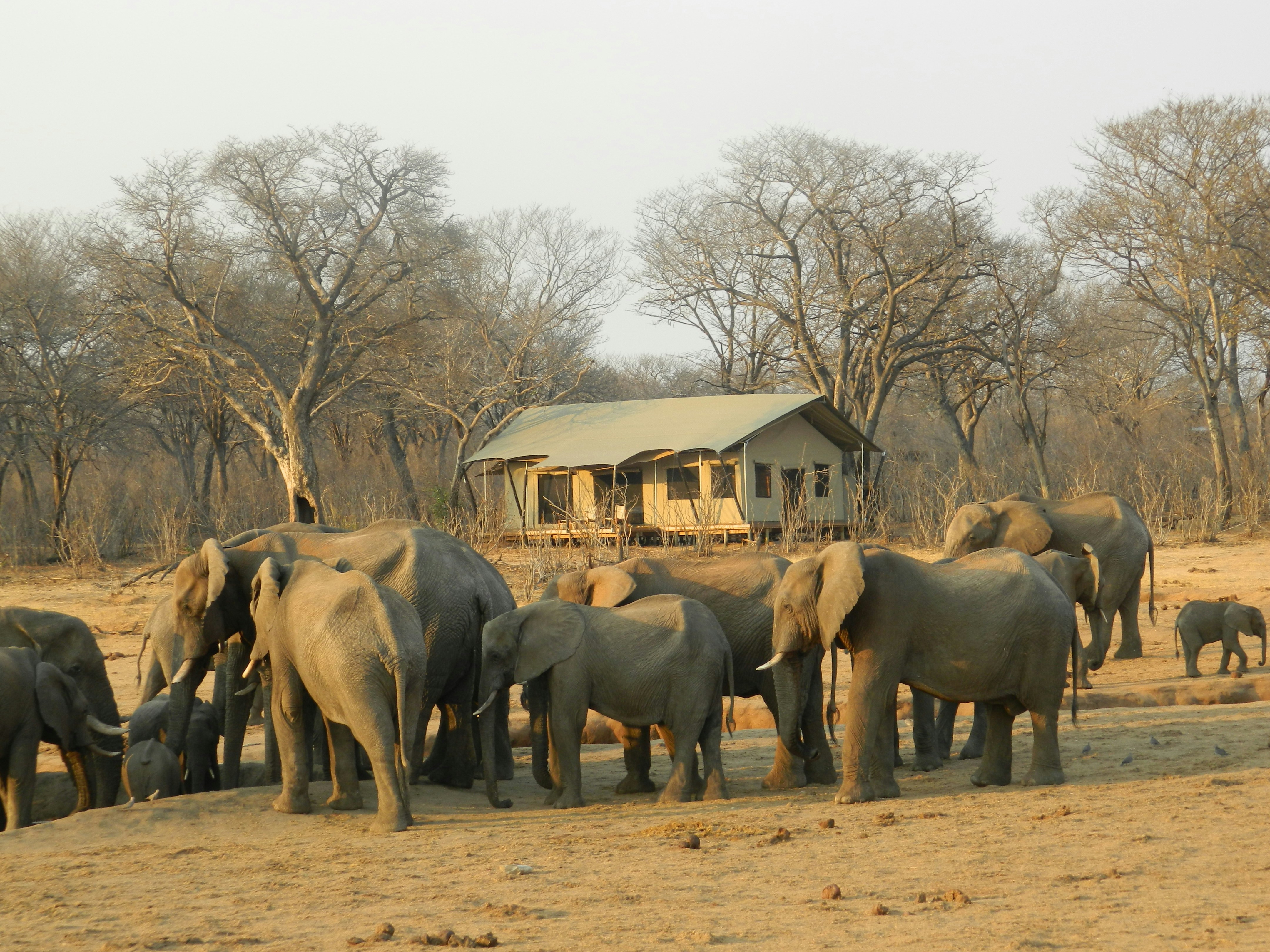
You arrive at camp as the sun sets. There are no buildings. No electricity. Just simple canvas tents arranged in a clearing, a campfire already burning, and the sounds of the African night beginning to wake.
Dinner is cooked over open flame. You eat under stars—millions of them, with no light pollution for hundreds of kilometers. After dinner, you hear lions roaring in the distance. Hyenas whooping. The campfire crackles. This is temporary belonging in the wild.
By morning, camp is packed and moved. You're heading deeper into Ruaha or Nyerere, setting up in a new location that night. Fly-camping means mobility—you follow the wildlife, not tourist infrastructure.
"This was our third Tanzania safari. We'd done the luxury lodges. Wanted something rawer. Fly-camping delivered—sleeping under stars, waking to bird calls instead of alarms, feeling genuinely remote. It's not roughing it. It's experiencing the bush without barriers."
— James & Sophie, Adventure Safari, New Zealand
Don't confuse this with "roughing it." You have a comfortable bed, quality sleeping bag, private bucket shower, and chef-prepared meals. But there's no spa. No wifi. No permanent structure between you and Africa. That's the point.
This safari is for people who value experience over comfort excess. Repeat safari guests. Adventurous but thoughtful travelers. Anyone who wants to feel what Africa felt like before luxury tourism.
From $5,890 per person
Includes fly-camping gear, mobile camp setup, and access to remote areas closed to standard safaris.