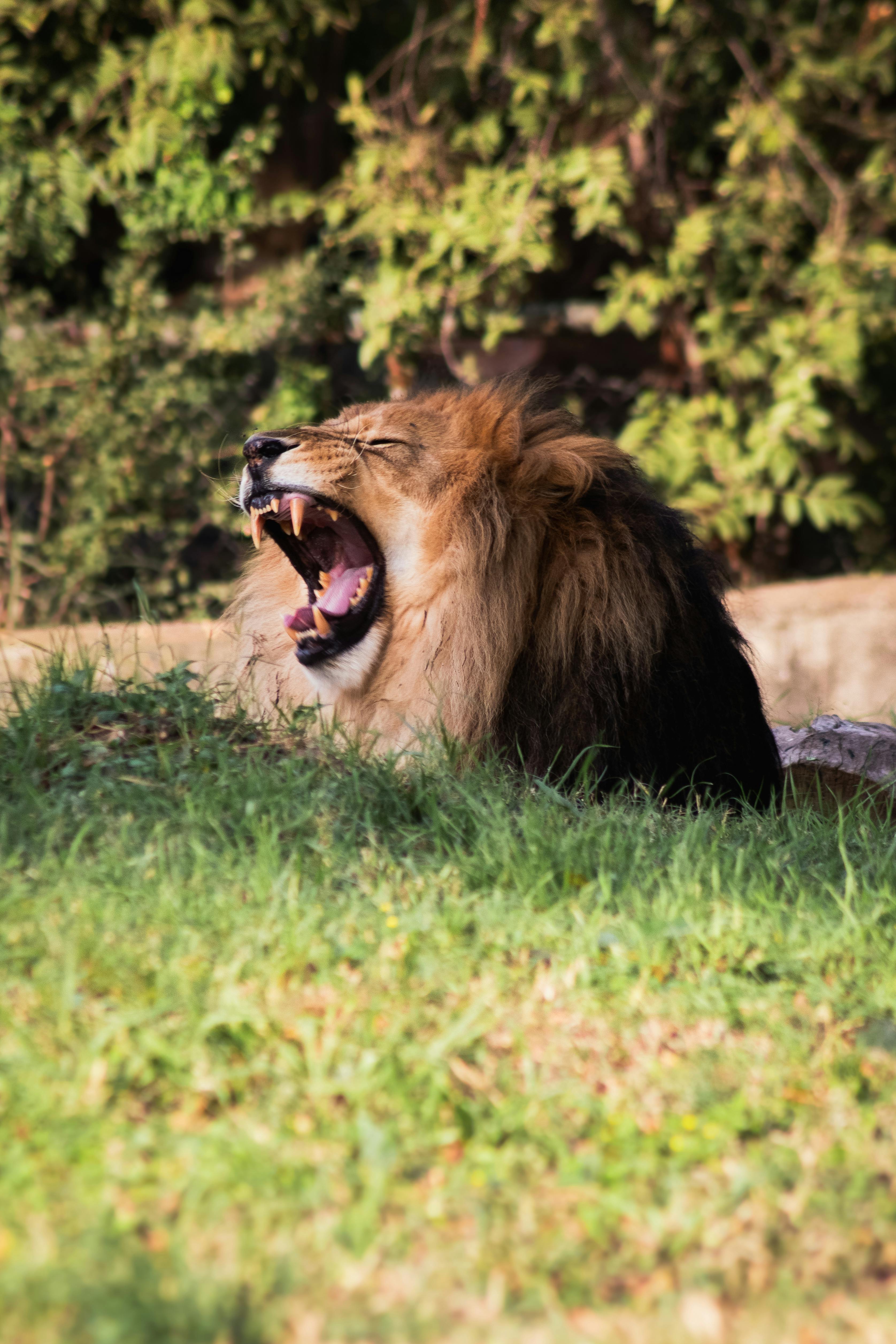
A Different Kind of Safari
You've just spent two hours watching a leopard with a fresh kill in a sausage tree. No other vehicles arrived. No radios calling it in. Just you, your guide, and a predator doing what predators do. This is Ruaha.
Southern Tanzania is where safari purists go when they're tired of the northern circuit's popularity. Ruaha National Park is Tanzania's largest—20,000 square kilometers of baobab-studded wilderness. Nyerere (formerly Selous) is Africa's largest protected area. Together, they offer something rare: space without crowds.
You'll spend days seeing maybe 2-3 other vehicles total. Compare that to Serengeti's Seronera Valley where 15 vehicles might surround a lion pride. Here, wildlife encounters feel private. Sightings feel like discoveries, not check-ins at popular spots.
"After three safaris in Kenya and northern Tanzania, we wanted something different. Ruaha delivered. We were often the only vehicle at sightings. The walking safaris and boat safari in Nyerere added dimensions we'd never experienced. This is for people who've moved past the 'first safari' stage."
— Patricia & Tom, Repeat Safari Travelers, UK
This safari is about depth, not variety. You're not park-hopping. You're settling into two exceptional ecosystems and watching patterns emerge. Leopards on the same kopje each evening. Elephant herds following ancient routes to the river. Wild dog packs coordinating hunts with military precision.
By day eight, you're not counting animals—you're recognizing individuals. That's the difference between tourism and immersion.
Why This Safari Works
Ruaha National Park
- →10% of Africa's lion population lives here
- →Leopards everywhere - highest density in Tanzania
- →Big tuskers - some of Africa's last giant elephants
- →Wild dogs - rare African wild dog packs hunt here
- →Minimal tourists - often the only vehicle at sightings
Nyerere National Park
- →Boat safaris - unique river-based game viewing on Rufiji River
- →Walking safaris - extensive trail network with armed rangers
- →Fly camping - sleep under stars in temporary mobile camps
- →Wild dog hotspot - exceptional sightings of endangered wild dogs
- →UNESCO status - World Heritage Site protection
Experience Wild Africa
This is for travelers who value remoteness, depth, and authenticity.